April 7, 2026
In recent years, changes in climate and weather patterns have led to increased rainfall and extreme weather events globally. For many organizations, particularly those in the construction and home improvement sectors, adapting to this new normal is crucial. This article explores how a gutter business can adapt and thrive by addressing the challenges posed by modern rainfall volumes. The ability to interpret and respond to these changes is particularly pressing for these companies, which must manage the increased water flow to protect residential and commercial structures. By assessing current trends and innovations, a company can not only meet the demands of modern weather conditions but also scale new heights in its service offers in the United States.
Understanding Modern Rainfall Trends
Climate change is a significant driver behind the increased frequency and intensity of rainfall. As global temperatures rise, the atmosphere holds more moisture, leading to more severe downpours. This change has been observed worldwide, affecting not only traditionally wet regions but also dry areas that now experience unexpected rainfall. This unpredictable weather pattern complicates the task for any gutter expert, as they must now offer solutions capable of handling extremes in precipitation. Staying informed and agile in the face of climate variability is therefore critical for success in this industry.
Observing the Impact of Urbanization on Local Rainfall
Urbanization significantly alters local climates, often exacerbating the effects of increased rainfall. Concrete jungles and urban heat islands influence precipitation patterns, leading to heavier and more localized rainfall in cities. This intensification means that effective drainage systems become all the more necessary to manage water accumulation. A gutter business needs to understand these urban microclimates to tailor their products to the unique needs of each city. By doing so, they can offer targeted solutions that mitigate potential damage from urban flooding.
Evaluating Geographic Variability in Rainfall Trends
Rainfall trends are not uniform, with significant geographic variability that impacts how systems are designed and installed. Some regions experience pronounced wet and dry seasons, while others face unexpected torrential rains. This variability demands that companies remain informed about local climate patterns to provide effective installations. By leveraging geographic information, a gutter business can customize its approaches, adapting materials and designs to suit specific regional characteristics.
Utilizing Weather Data Collection and Analysis
The collection and analysis of weather data are vital for companies aiming to stay ahead in a rapidly changing climate. By analyzing historical data and predictive models, organizations can anticipate weather trends and adjust their offerings accordingly. Such data-driven decisions enable innovation, helping that systems are capable of withstanding future rainfall challenges. Moreover, consistent data analysis helps in understanding customer needs, allowing for clear communication about necessary updates or changes in drainage architecture.
Assessing Implications for Gutter Design and Engineering
The implications of modern rainfall trends for design and engineering are profound. Traditional designs may no longer suffice in managing today's volumes, necessitating the development of new, high-capacity systems. Engineers must consider factors such as slope, load-bearing capacity, and material durability when creating these innovative solutions. As demand rises, companies must balance the need for high-performance designs with cost-efficiency.
Implementing Design Innovations in Gutter Systems
With modern rainfall posing new challenges, high-capacity designs have become essential. These designs increase the volume of water that a channel can handle, effectively reducing the risk of overflow during heavy rain events. Through innovations such as deeper channels and larger downspouts, systems can now accommodate far more water. However, the challenge lies in integrating these designs into existing structures and helping with their aesthetic alignment with a wide range of building designs.
Selecting Materials That Withstand High Rainfall
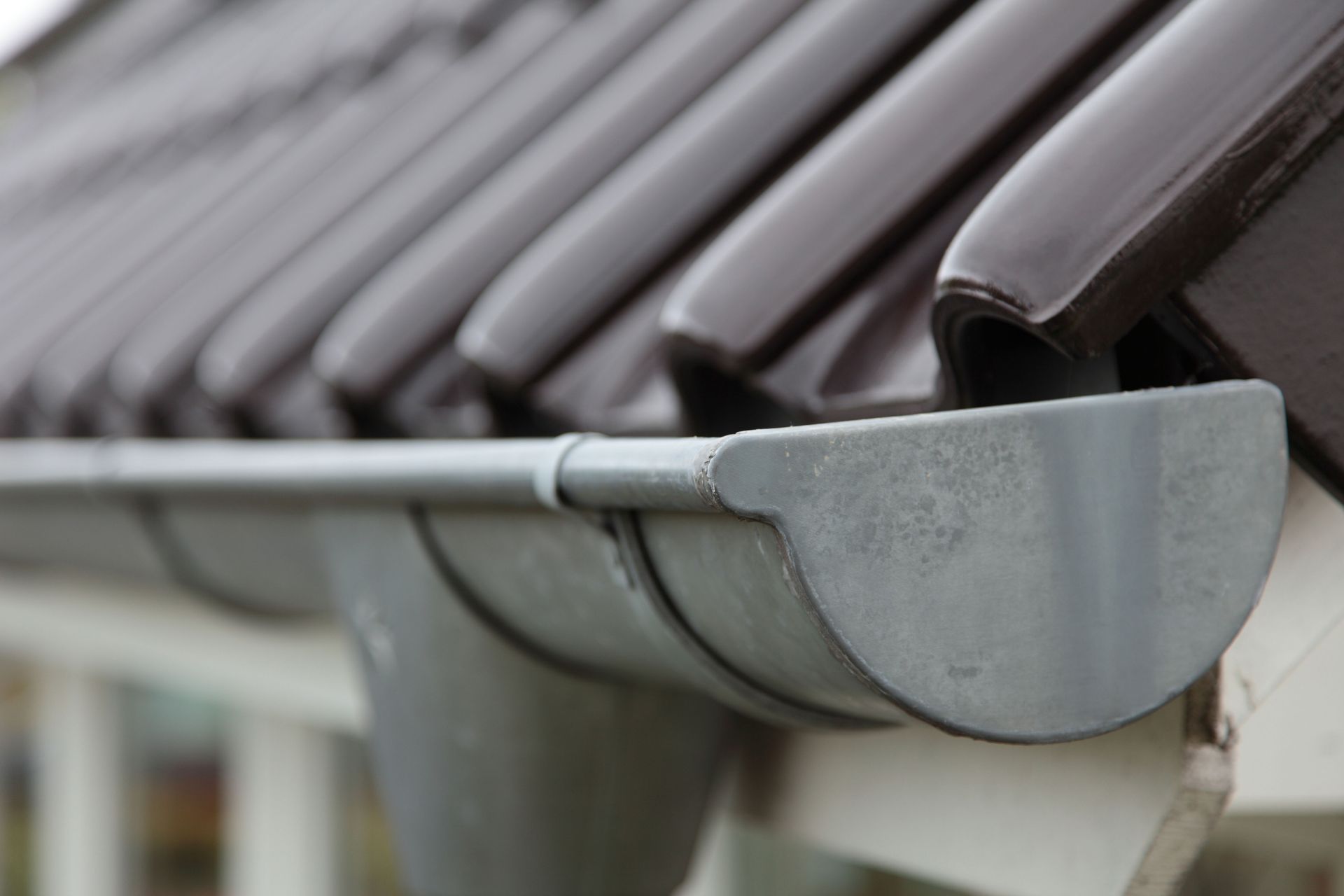
Materials used in these systems must be rigorously tested to withstand the pressure of high rainfall, as well as associated elements like debris and ice. Advances in materials science have led to the development of more durable options, such as galvanized steel, aluminum, and high-grade plastics. These materials offer benefits such as corrosion resistance and the ability to endure extreme weather conditions without compromising integrity. By selecting the right materials, a gutter business can provide systems that are both efficient and enduring.
Advancing Gutter Installation Techniques
Beyond design and material advancements, installation techniques have also evolved to accommodate high-capacity systems. Precise installation is crucial to prevent leaks and help with proper water flow, especially in complex and tall structures. Innovations like seamless installations not only enhance performance but also reduce installation time and errors. Skilled technicians trained in modern techniques can execute complex installations with greater ease, providing quality and longevity.
Creating Innovative Solutions for Urban Environments
Urban areas face unique challenges due to their density and varied architecture, necessitating innovative solutions. Modular systems can be adapted for various structures, creating efficient water management regardless of building style. Green infrastructures, such as rain gardens and permeable pavements, also complement these systems in these environments by managing water runoff naturally. By integrating these features, a gutter business can offer comprehensive solutions that are both environmentally friendly and effective.
Integrating Smart Gutter Technology
The integration of smart technology into these systems promises to revolutionize their efficiency and reliability. Sensors can now monitor rainfall and detect potential blockages, allowing for proactive maintenance and avoiding property damage. Smart systems can also collect data about water flow and usage patterns, providing valuable insights for both companies and homeowners.
Analyzing Market Research and Customer Education
Identifying customer needs and preferences is a core aspect of adapting systems to modern demands. Comprehensive market research enables companies to gain insights into what customers value, whether it is durability, cost, or aesthetics. These insights inform product development, helping that companies offer solutions that resonate with their target markets. By listening to customer feedback, organizations can tailor their offerings to better serve their clientele, all while staying ahead of competitors.
Launching Educational Campaigns About Rainfall Impact
Educational campaigns are crucial for raising awareness about the effects of increased rainfall and the importance of efficient drainage. By educating customers on how changes in climate impact water management systems, organizations empower them to make informed purchasing decisions. These campaigns can take various forms, from workshops and webinars to informational brochures. Such initiatives position the company as a thought leader in the field, enhancing its reputation in the United States.
Communicating the Importance of Gutter Maintenance
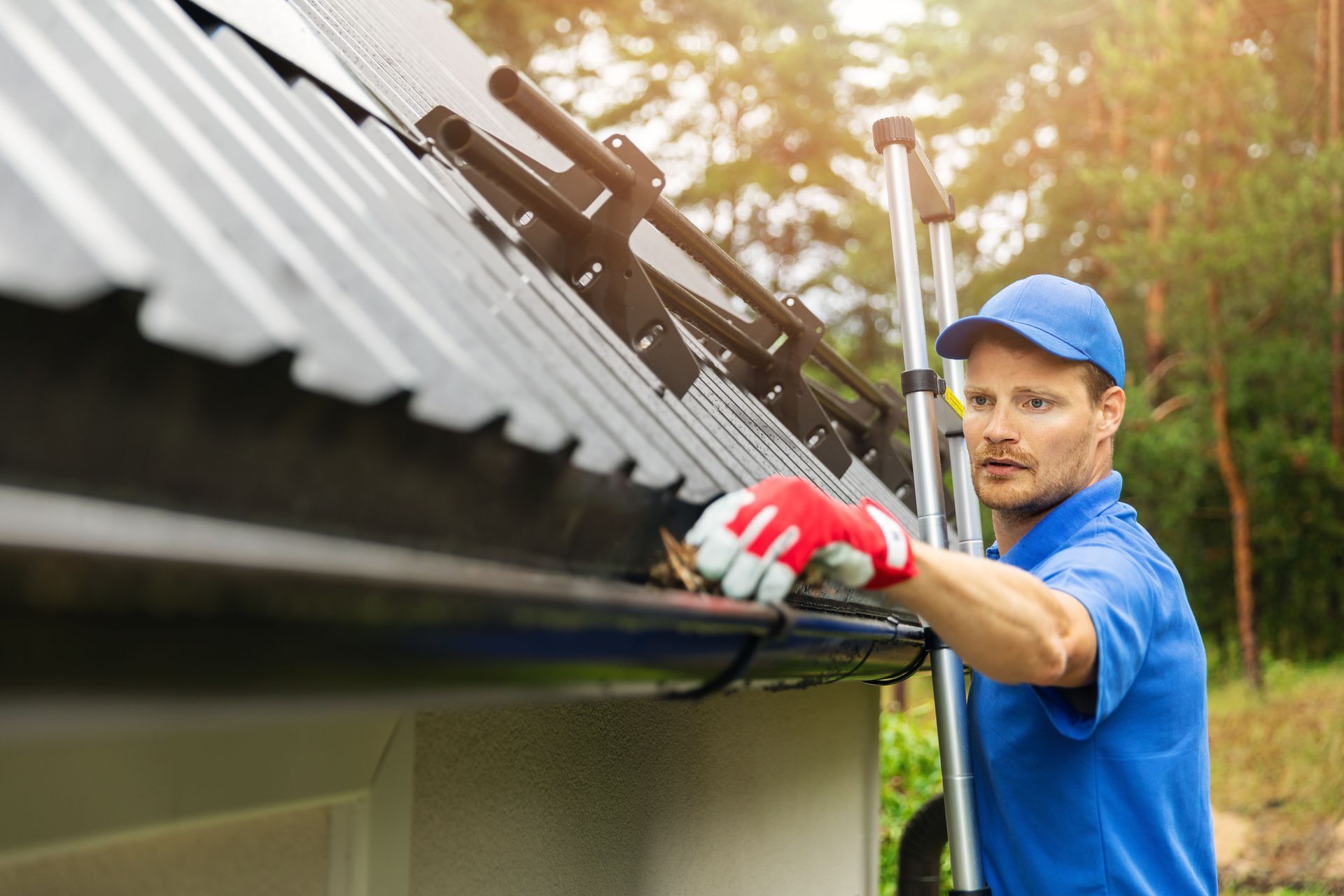
Regular maintenance is critical to helping with the effectiveness of any installation. Without proper care, even the highest-capacity systems can fail, leading to repairs and potential property damage. A gutter business should educate customers on simple maintenance practices, such as regular cleaning and inspections. Providing maintenance services or creating maintenance manuals can add value to the customer experience, reinforcing the importance of upkeep.
Addressing modern rainfall volumes is not just a challenge, but an opportunity for a business to innovate and lead in an evolving market. By understanding trends, investing in technology, educating customers, and aligning with regulations, organizations can thrive within a changing environment. Successful adaptation will require continuous learning and flexibility as climate patterns continue to shift. According to Freedonia Group, the demand for gutters and downspouts in the U.S. is expected to increase by approximately 2.3% annually through 2026. At the intersection of technology and market trends lies the path to sustainable success.
If you are looking for a team that understands the complexities of modern weather and provides high-capacity solutions, reach out to the experts. Contact River City Gutters today to learn how our gutter business can protect your home from the heaviest downpours with precision and care.